

Monaco, NOVEMBER 23, 2026
As photovoltaic technologies become more integrated into yacht design, SEA Index® is examining how their contribution can be recognised in a consistent, realistic and proportionate way.
Solar photovoltaic systems are becoming an increasingly relevant consideration in yacht design.
Developments in photovoltaic technology, battery storage and onboard energy management are creating new possibilities for integrating renewable electricity into a vessel’s wider energy system.
The contribution solar energy can make will vary from one yacht to another. Vessel design, available installation area, photovoltaic technology, operating profile, geographical location and onboard energy demand can all influence the amount of solar energy available and how effectively it can be used.
For SEA Index®, the key question is therefore not simply how much photovoltaic capacity is installed, but how the energy generated contributes to the vessel’s actual energy requirements.
From installed capacity to effective contribution
The Superyacht Eco Association commissioned Lloyd’s Register Advisory Services to examine how photovoltaic systems could be considered within the SEA Index® assessment framework. The resulting technical study establishes an approach for assessing their contribution under representative operating conditions.
An important principle is the distinction between the nominal capacity of a photovoltaic installation and the energy it can effectively contribute in operation.
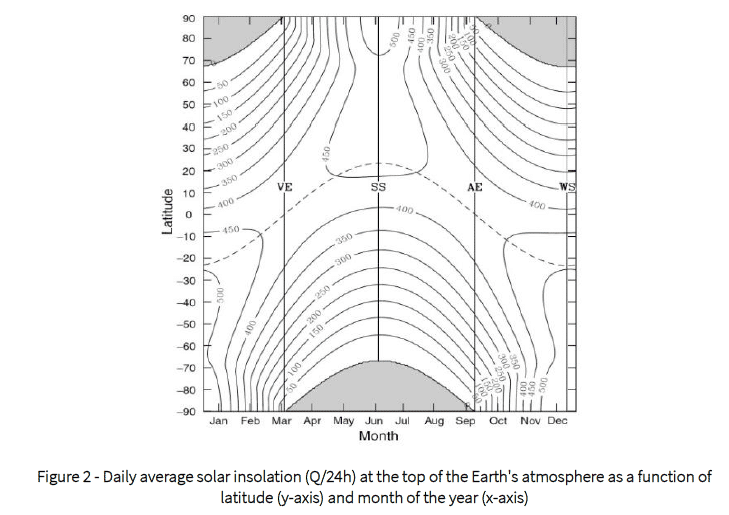
Solar generation is influenced by several factors, including geographical location, seasonal conditions, solar exposure, panel characteristics, temperature, shading and installation conditions. The marine operating environment also needs to be taken into account.
Considering these factors provides a more representative basis for assessment, while allowing different vessel designs and photovoltaic configurations to be considered consistently.
Reflecting how yachts actually operate
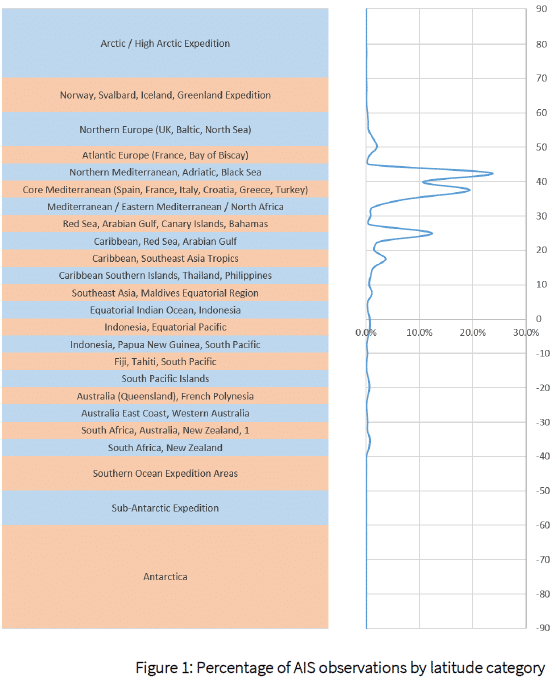
The study also considers the geographical distribution of yacht activity.
Historical AIS data were analysed to establish a representative operational profile. The analysis covered 4,697 pleasure yachts and more than 222 million AIS position records between 2023 and 2025.
This operational perspective matters because the solar resource available to a yacht varies according to where and when the vessel operates.
Using representative yacht activity provides a consistent basis for considering solar availability across the sector without assuming a single cruising region or particularly favourable operating conditions.
From solar generation to useful energy
Generating electricity is one part of the picture. How that electricity is integrated into the vessel’s energy system is equally important.
Depending on the yacht’s configuration and operation, photovoltaic energy can contribute to onboard electrical demand and battery charging and, where the vessel’s architecture permits, to other eligible electrical requirements.
The assessment therefore considers the relationship between generation, storage and consumption.
This allows the contribution of photovoltaic technology to be considered according to the energy that can effectively be used onboard, rather than installed capacity alone.
It is an important distinction. Different yacht designs can provide different opportunities for photovoltaic integration, and the value of the technology needs to be understood within the specific energy architecture of each vessel.
Solar within an integrated yacht energy system
Photovoltaic technology is one of several developments contributing to the evolution of yacht energy systems. Solar generation can increasingly be considered alongside battery storage, hybrid systems, improvements in equipment efficiency and more sophisticated energy management.
The interaction between these technologies can be as relevant as the individual technologies themselves. Battery storage, for example, may increase the opportunities to make use of renewable electricity at different points in the vessel’s operating profile.
At the same time, the relative contribution of solar generation to the yacht’s complete energy requirements will naturally vary between vessels. This is why SEA Index® considers it important to focus on measurable contribution within the overall energy profile, rather than assigning an environmental benefit simply because a particular technology is present.
Recognising innovation proportionately
The objective of incorporating photovoltaic systems into the SEA Index® framework is to enable their contribution to be recognised on a technically consistent basis. Where solar-generated electricity contributes to meeting onboard energy demand, that contribution can be considered within the vessel’s wider environmental assessment. This principle is relevant beyond photovoltaic technology.
Environmental performance in yachting increasingly reflects the interaction between vessel design, equipment, energy sources, storage, operational characteristics and energy management. Different technologies may play different roles depending on the vessel.
For SEA Index®, the objective is therefore both to recognise technological progress and maintain proportionality in how its contribution is assessed. As photovoltaic technologies and yacht energy systems continue to develop, assessment methodologies will also need to evolve so that innovation can be considered against a consistent and credible technical framework.
Solar energy forms part of that evolution. Understanding its effective contribution provides another element in building a more complete picture of yacht environmental performance.
About the SEA Index®
Founded in 2020 by the Yacht Club de Monaco and Credit Suisse (UBS Group), the SEA Index® certification (Superyacht Eco Association) is a pioneering initiative designed to assess and reduce the environmental footprint of vessels. Based on recognised scientific methodologies and supported by independent third-party verification, the SEA Index® brings together a growing network of more than 25 partner ports, primarily in the Mediterranean, as well as in other regions such as the Caribbean and the Seychelles, and 78 marinas members of the Japan Marina & Beach Association.
It stands as one of the key pillars of the collective initiative « Monaco, Capital of Advanced Yachting », led by the YCM. The initiative aims to establish the Principality as a global benchmark for innovative, sustainable and responsible yachting, while contributing to ocean protection and shaping the future of Yachting.
For press enquiries, interviews, or details about SEA Index® certifications and network benefits for rated yachts: