The Oslo Effect: Is the Yacht Sector Ready for Zero – Emissions No Fee Berthing?

Monaco, FEBRUARY 19th 2026

The Port of Oslo is pioneering a “Zero-Invoice” model for emission-free vessels. This “Oslo Effect” is not just a commercial shipping trend, it could ignite a new financial blueprint for superyacht marinas from Monaco to Singapore.

A Quiet Financial Revolution

Maritime decarbonisation is often framed around future fuels, alternative propulsion, and technological innovation. Yet an equally transformative shift is happening in parallel: the financial restructuring of port operations around environmental performance.

For a long time, “eco‑discounts” existed largely as symbolic gestures, incremental reductions designed to encourage, not enforce, better behaviour.

In November 2025, the Port of Oslo disrupted this paradigm.

Its new fee structure is binary and uncompromising:

  • 100% fee waiver for vessels that arrive and depart emission‑free
  • Full fees,  or higher, for vessels that do not meet the criteria

This  innovative model marks a significant departure from voluntary sustainability frameworks. It is a move toward outcome‑based economics, anchoring maritime competitiveness in the ability to operate far more efficiently.

The implications extend far beyond commercial shipping. For the superyacht sector, a high‑profile segment often scrutinised for its carbon footprint, this shift signals a structural change in how marinas may value (and price) their berths in the near future.

Understanding “The Oslo Effect”

The Oslo Effect describes the broader transition in which verifiable environmental performance, rather than vessel size or commercial profile, becomes the dominant factor in port fee calculations.

This new financial architecture is reinforced through established international monitoring tools used in commercial shipping:

Ports now have the data, the scoring mechanisms, and increasingly, the mandate to implement performance‑driven pricing.

In the future, yachts that embrace cleaner technologies can expect improved access and cost efficiencies. Those that fail to demonstrate measurable performance improvements face rising costs and mounting restrictions. For an industry built on flexibility, freedom of movement, and premium access, the stakes are substantial.

The “Oslo Gap”: The Cost of Inaction

The parallel exists: a new market dynamic is taking hold in the yachting sector and we are seeing the emergence of the Oslo Gap. The widening cost difference between transparent, for example SEA Index®  certified lower‑emission yachts and vessels that don’t demonstrate their environmental performance. While “zero‑fee” berthing is not a realistic scenario for now, certain marinas (Port Hercule and Yacht Club de Monaco Marina in Monaco) are applying differentiated tariffs, where for example certified SEA Index® vessels benefit from stable or optimised rates compared with non-rated vessels.

With the increasing adoption of performance-based billing for electricity and water usage, rapidly becoming standard practice, berthing fees are starting to be determined by verifiable data instead of unsupported assertions of environmental friendliness. In this environment, transparency is a competitive advantage.
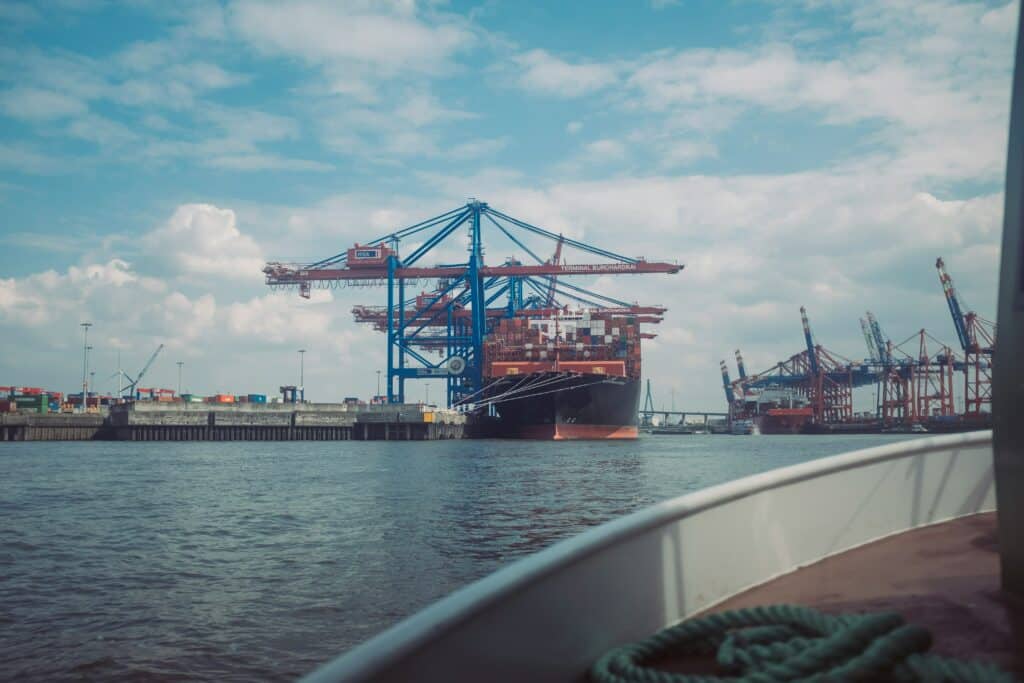
Port of Hamburg
©Hoch3fotografie - Unsplash

Global Comparison: How Major Shipping Hubs are Responding

Oslo may be the most advanced model, but major maritime hubs worldwide are introducing their own financial mechanisms to reward cleaner operations.

Despite differing approaches, the trend is consistent: ports are using economic instruments to accelerate environmental compliance:

Shipping Port / Hub Strategy Type Key 2026 Initiative:

  1. Oslo: Binary Billing. 100% fee waiver for zero-emission transit.
  2. Hamburg: $1.3B Infrastructure Investment Drive Powers Capacity and Sustainability
  3. Rotterdam: Fuel Incentives. Green Award Discount Investments to improve the environmental performance.
  4. Singapore: Green Corridors. Financial rewards for low-carbon route participation.
  5. Los Angeles: Land-Side Focus. Fees on trucks waived only for zero-emission vehicles.
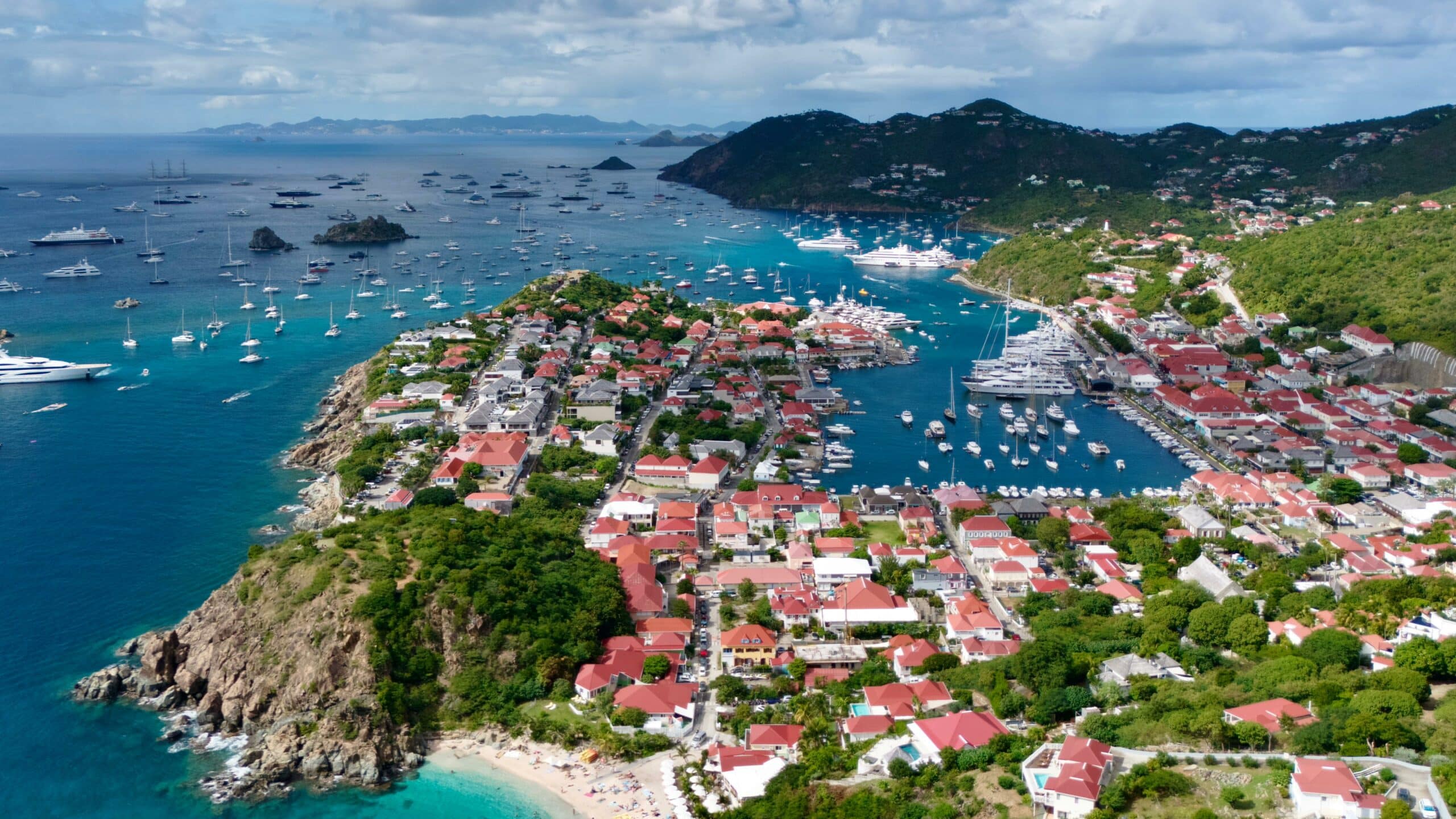
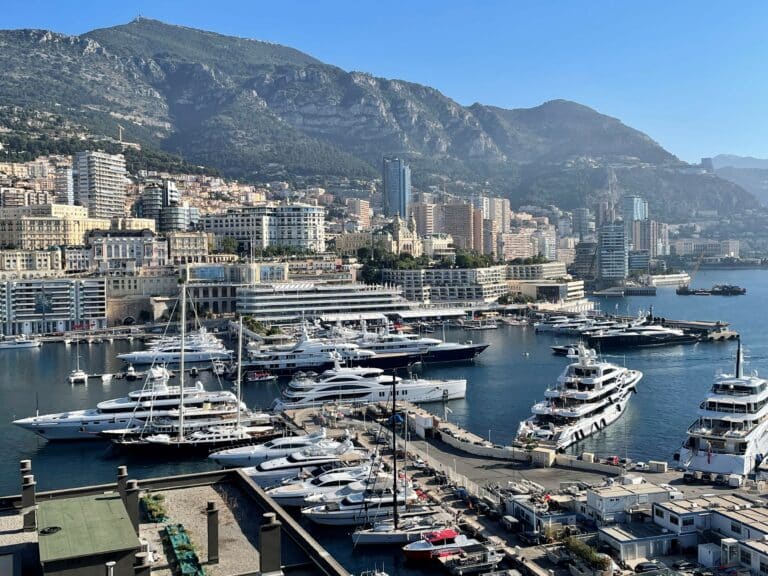
View Port Hercule Monaco
Port Hercule Monaco

The Rise of the Tiered Marina

The partnership between the SEA Index® Superyacht Eco Association and more than 23 ports and marinas marks a turning point in sustainability within the superyacht sector. What is already happening in commercial shipping could shape the future of yachting marinas.

Three developments are particularly noteworthy:

Expansion of Restricted Emissions Zones (REZs)

  • Marine protected areas are increasingly limiting access for high‑emission vessels.
    The Parc National des Calanques in Marseille has already prohibited certain motorised craft,  a precedent that could soon influence access across the Mediterranean’s most sensitive anchorages.

    Yachts with verified environmental performance will enjoy fewer restrictions and greater operational freedom.

  • Marinas Setting Fees Based on Emissions Ratings

    As per above, Port Hercule and Yacht Club de Monaco Marina already factor SEA Index® ratings into berthing fee structures.
    This creates a tiered marina model in which sustainability is directly linked to pricing and availability.

  • Subsidised CO Certification

    Forward‑thinking marinas, including Antibes Port Vauban, and even insurers are now co‑funding SEA Index® certifications.

    They recognise that audited environmental data improves their own reporting and supports broader sustainability goals across the sector.

A New Competitive Framework for Yachting

As maritime regulations and financial incentives evolve, the global maritime industry is moving toward a new normal and yachting will be impacted.

  • “Average” performance will mean higher costs
  • Non-transparent yachts will risk restricted access
  • Poor performers will face lower resale and charter value

Our work within the SEA Index® Superyacht Eco Association, which offers a transparent rating system facilitating the comparison and use of emissions data for yacht owners and operators, fits directly with the described Oslo effect, providing a concrete response to the environmental issues associated with yachting.

Offering a clear roadmap for performance improvement, SEA Index®  serves as a recognised benchmark for marinas worldwide.

Is your yacht ready for a zero-invoice era?

The question is how fast will the yachting sector align with global maritime standards? To start your sustainability journey or learn more about the incentive programs available at our partner marinas, contact our team.

References: The Shipping Landscape

To find out more: Contact the SEA Index® Team

Share this article:

Related Articles

"The Oslo Effect: Is the Yacht Sector Ready for Zero - Emissions No Fee Berthing?" - Explore our newest article!