Rethinking Latitude: Climate Signals and the Future Geography of Yachting

Monaco, february 6th 2026

For decades, yachting geography has been guided by habit as much as by climate. Certain regions became established not only because they were beautiful or accessible, but because environmental conditions were reliably aligned with vessel design, infrastructure, and guest expectations. Is this reliability beginning to fracture?

We spoke with Captain Maiwenn Beadle, expedition leader widely known in the industry as “the Ice Queen” for her decades of experience navigating polar regions, and Professor Stefan Gössling at Linnaeus University in Sweden, one of the world’s foremost researchers on tourism, mobility, and climate impacts. Their different perspectives illuminate how yachting, shifting environmental conditions, operational realities, and human factors are redefining the map of luxury travel.

As global temperatures continue to rise, we explore where climatic comfort, operational efficiency, and long-term resilience intersect in the yachting sector.

The Climate Signal

We asked Professor Gössling whether climate is shifting from a background condition to an active signal shaping where leisure activities are viable:

“Climate change already affects tourism. We have seen European summer temperatures exceed 45°C, heavy rainfall and floods, more storms, and wildfires – all affecting important tourism destinations. For now, these effects are temporary and geographically limited, though we also see that for instance low-altitude winter tourism is affected throughout the Alps. As we have already identified the hotspots for extreme events and asset losses (such as snow) in Europe, while we also know that storms in the Caribbean and elsewhere do heavy damage to tourism, it is fair to say that climate change already shapes and will increasingly reshape tourism within the next decade, yes.”

In contrast, we asked Captain Beadle, if from her perspective, operating yachts in cold or high-latitude regions, often seen as extreme, redefines what “comfort” and “luxury” mean on board:

“For most yachts the standards of comfort and luxury aboard do not change based on the environment in which they operate. We take our luxury bubble with us… stepping out for an extreme experience before withdrawing again into our comfort.”

These different perspectives could lead to a simple question: will the yachting map of tomorrow be very different from the one shaped by habit and tradition?

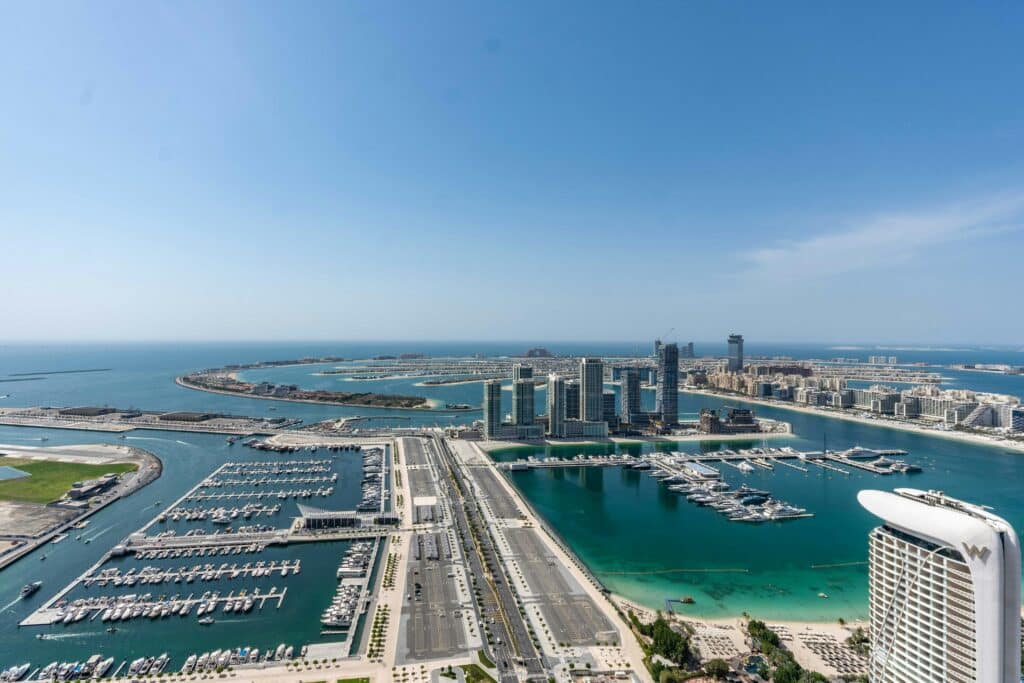
Photo Credit: Nelemson Guevarra for Unsplash
Dubaï Marina © Nelemson Guevarra - Unsplash

Middle Eastern Destinations: Can Infrastructure Outpace Heat?

The Middle East has rapidly positioned itself as a serious yachting region. Investment in marinas, refit capacity, and cruising infrastructure across the Gulf and Red Sea is substantial, coordinated, and forward-looking. These developments often benefit from contemporary design standards that anticipate higher temperatures, energy demand, and water scarcity. But does resilience necessarily imply immunity against climate change?

Rising thermal thresholds

Vessels and shore facilities can be engineered for heat; human experience remains the limiting factor. As average temperatures rise, the number of days exceeding comfort thresholds for guests and crew increases disproportionately. Beyond a certain point, technical adaptation yields diminishing returns: air-conditioning loads rise, exterior spaces become under-utilized, and operational windows narrow. For yachting these thermal pressures extend beyond guest comfort to the crew’s operational endurance, making climate-conscious planning a critical factor in maintaining service standards and long-term crew retention.

While the Middle East serves as a case study for pushing the technical limits of human comfort through high-heat engineering, the Mediterranean stands as a more sobering warning: no amount of onboard technology can compensate for a collapsing ecosystem if the appeal of a destination is lost to rising sea temperatures and ecological decay.

Professor Gössling comments:

“Humans have for centuries lived in very hot environments, and there are ways to adapt to heat. However, it may not be able to adapt to heat beyond thresholds. We also need to bear in mind that often, air temperature is interacting with water temperature – the Mediterranean, for example, warms rapidly. Dive instructors tell me that they witness the loss of species as a result. Ecosystem equilibria may change suddenly. Should algae blooms cover shorelines and beaches as a result, there is no way of adaptation. Coastal resorts in such areas will be lost, as their basic attractiveness for sun-sand-sea tourism is lost.”

Seasonality compression & Environmental sensitivity

Rather than extending seasons, increasing heat may concentrate viable cruising into shorter periods, particularly for owner-led leisure yachting. This raises questions about utilization rates, charter appeal, and the long-term balance between infrastructure capacity and demand.

Warm-water marine ecosystems, particularly coral systems, are already operating close to thermal limits. For destinations positioning themselves around pristine marine environments, ecological degradation presents not only an environmental risk but a reputational one. In short, Middle Eastern destinations are well-placed to operate in warm climates, but one can argue that the assumption that ‘warm becomes warmer’ doesn’t automatically translate into a competitive advantage.

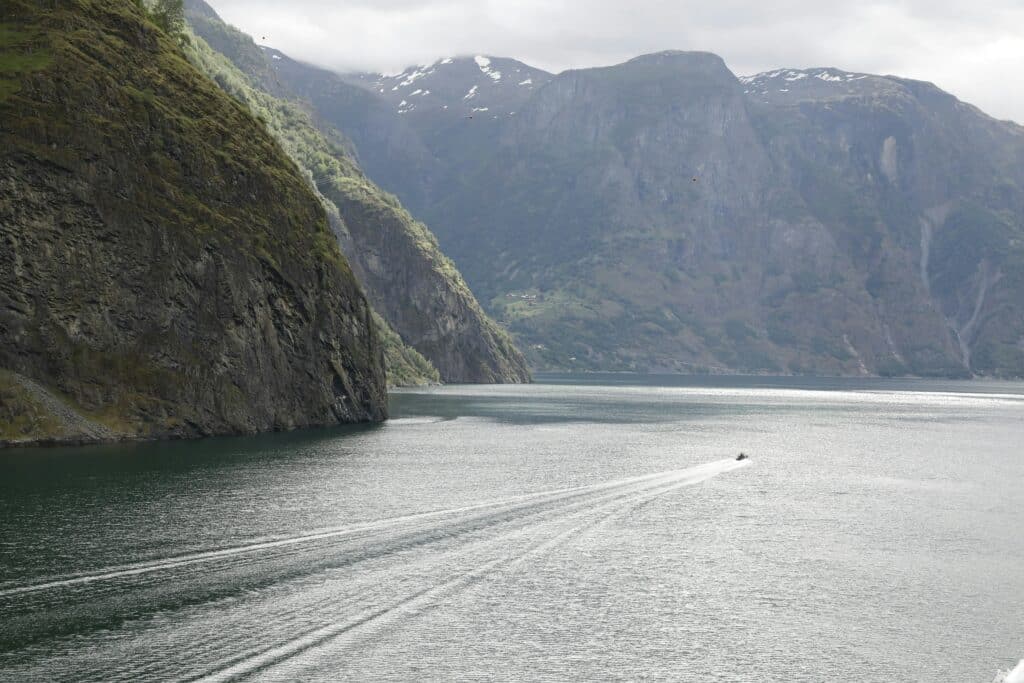
Norway Fjord - Photo Credit: Georg Eiermann for Unsplash
Norway Fjord © Georg Eiermann - Unsplash

Northern Europe: From Marginal to Desirable?

Northern European cruising areas are renowned for their stunning landscapes, rich cultural experiences, and intriguing navigation, though they’re often thought of as limited by brief seasons and unpredictable weather. However, with changing climates, could these once less-popular regions see an increase in demand?

In the short term, yachting may experience destination substitutions along with a shift in optimal cruising zones rather than a decline from one area to another. With lengthening optimal seasons, warmer summers, and milder shoulder seasons, the window of high-quality cruising can be seen as expanding in regions such as the Baltic, Scandinavia, the British Isles, and parts of the North Atlantic.

Nevertheless, these regions will need to adapt to increased rainfall intensity or episodic heat, even if they do so from a position of systemic robustness. When asked whether rising temperatures are driving renewed interest in destinations historically considered too cold or climatically unpredictable, Professor Stefan Gössling expressed skepticism:

“I am rather skeptical of that proposition. First of all, the cultures and attractions of Northern Europe are very different from, say, southern Europe. Secondly, climate change will become relevant everywhere. In southern Europe, it may be heat and wildfires, in northern Europe heavy rainfall. There is some evidence that travellers see rainfall as negative as extreme heat. In the long run, all destinations will lose attractiveness as a result of climate change.”.

Yacht Owner Experience: Comfort as a Strategic Variable?

Yacht owners are increasingly sophisticated consumers of climate, even if they do not frame it as such. Experience is influenced primarily by the most notable conditions rather than by averages. Factors to consider include whether exterior decks remain comfortable while anchored, if night-time temperatures permit uninterrupted rest without reliance on mechanical cooling, and whether itineraries offer sufficient flexibility to accommodate periods of excessive heat or adverse weather.

Beyond the vessel’s technical capabilities, we asked Captain Beadle whether the physical limits of the crew, fatigue, sleep, thermal comfort, shaped what was realistically possible on board?

“In a well-run and sufficiently crewed vessel human limits should not be a restraint, but stress appears when concessions aren’t made, either through increased watchkeeping crew or decreased guest operations.”

Captain Beadle’s observation is a reminder that comfort is not only about climate, but about the operational flexibility required to maintain it.

The Yachting Perspective focuses on optionality, not a North Versus South divide.

The future geography of yachting is unlikely to be defined by displacement alone. Instead, it will be shaped by optionality: the ability of owners, operators, and destinations to respond to climatic signals without being locked into assumptions formed under past conditions. For the industry, this implies designing vessels with wider thermal operating envelopes, planning itineraries around comfort and flexibility, not tradition, and evaluating destinations on long-term climatic suitability, not short-term novelty.

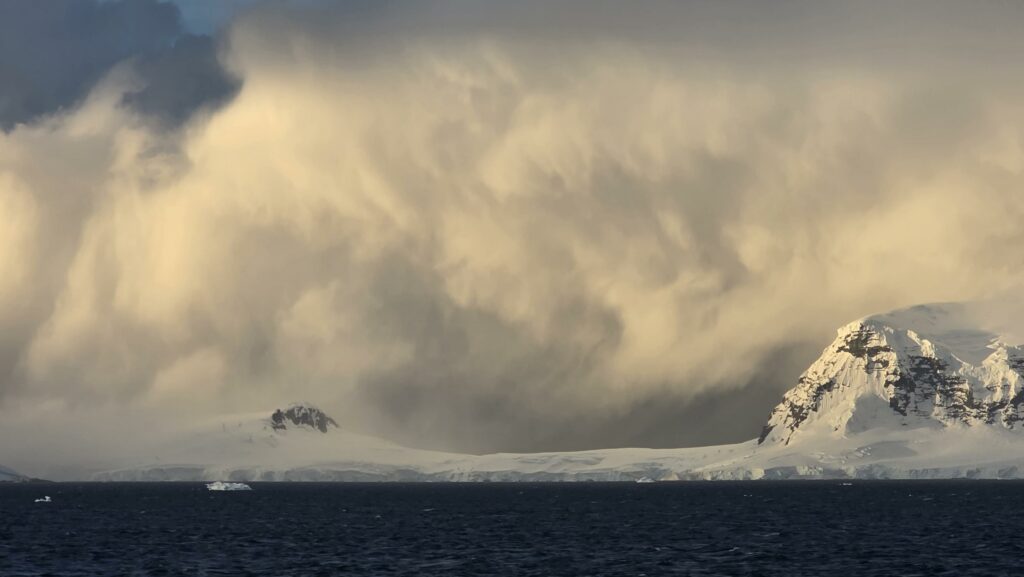
Beyond the technical considerations of navigation in a warming world lies a more imaginative question: as previously marginal or hard-to-reach regions become more accessible, are we underestimating the possibility that high-latitude areas could enter a new “optimal zone” for exploration and yachting?

Captain Maiwenn Beadle, however, urges caution in framing the issue this way:

“I think we make a mistake in referring to polar areas as previously unnavigable due to some of the spectacular failures of polar exploration. But these areas have been regularly navigated by whales and sealers since the early 1600s. While there is clearly an expansion of yachting into areas less explored, I don’t see this as a trend towards navigating colder areas but as one of seeking new things, both polar and tropical and all in-between. Most people will always prefer the comforts of the Mediterranean and the Caribbean to the challenges of exploration, but exploration will grow in all areas as well.”

Her perspective highlights an important nuance: the appetite for discovery may be expanding, but it does not necessarily map cleanly onto climate-driven shifts in geography.

Photo Credit: Ghinzo for Unsplash
© Ghinzo - Unsplash

Implications for Environmental Accountability

As climate becomes an operational factor rather than an abstract concern, environmental performance frameworks gain strategic relevance. Measuring and managing emissions is no longer about impact awareness; it is about maintaining access, acceptability, and operational freedom in a changing regulatory and climatic landscape.

While Northern Europe and other high‑latitude regions are often seen as having exploratory potential, activities in sensitive areas like the Arctic make environmental impacts much more apparent. As owners and guests witness firsthand the vulnerability of these ecosystems, is their sense of responsibility growing in ways that differ from habitual cruising grounds?

On this point, Captain Beadle comments:

“It is always a challenge to balance environmental concerns with exploration, and it is something we must strive for with both design and operation. From curbing emissions to understanding the effects of underwater acoustics on wildlife we must work towards taking care in the places we go.”

Her answer highlights a growing consciousness within the yachting community: the more remote and delicate the environment, the more clearly stewardship becomes an integral part of the journey.

This is where scientific clarity becomes a strategic asset. The Superyacht Eco Association – SEA Index® provides the necessary framework to move beyond intent, offering solutions to measure and improve a vessel’s environmental performance. By bridging the gap between cutting-edge research and operational reality, the SEA Index® ensures that as the yachting map expands, our stewardship of the oceans keeps pace.

Discover how to evaluate your vessel’s environmental footprint and strategic adaptability. Contact the Superyacht Eco Association to discuss SEA Index® certifications and guidance for your superyacht.

To discover more of Professor Gössling’s research on tourism’s influence on climate change, please visit his website and LinkedIn for further insights.

Explore the world through the eyes of the Accidental Ice Queen. For insights into Captain Maiwenn Beadle’s groundbreaking expeditions, check out her website and LinkedIn for more.

Photo Credit: Captain Maiwenn Beadle, captured during an expedition
© Captain Maiwenn Beadle, captured during an expedition

Share this article:

Related Articles

"Rethinking Latitude: Climate Signals and the Future Geography of Yachting" - Explore our newest article!